by Jo Garro (she/they) Seattle Mercy ’24-25 & Project Management Intern ’25-26
Feedback is important, but not always easy to take. In my JV year, I received a piece of feedback that changed my approach to connecting with people and set me up to be successful in my future career.
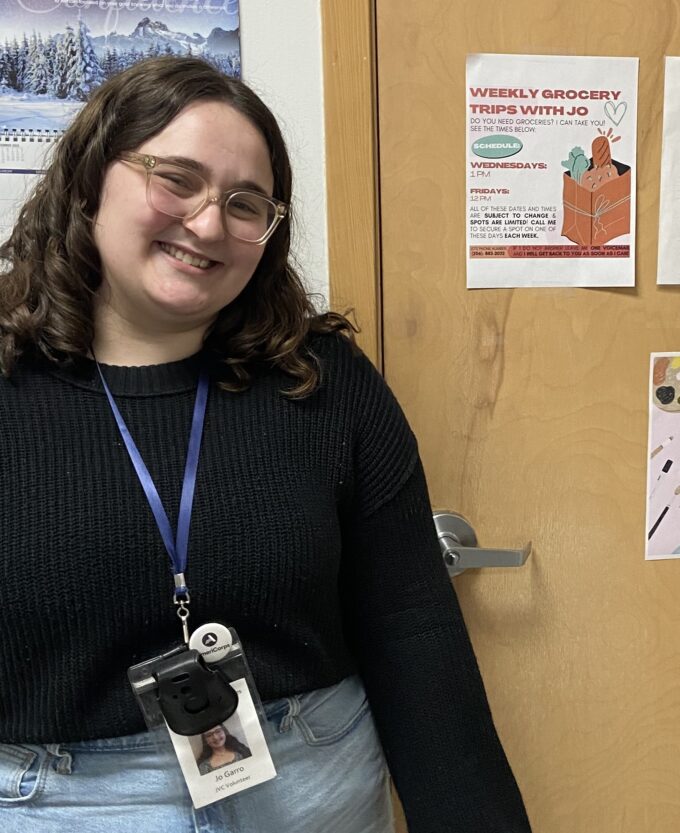
Jo at Transitional Resources
I served at Transitional Resources (TR), a licensed behavioral health center and assisted living facility located in the West Seattle neighborhood of Seattle, Washington.TRserves low-income adults in King County who are living with serious mental illness, including schizophrenia, bipolar disorder, and major depressive disorder, offering a full spectrum of optimistic and respectful mental health services and supportive housing services to clients.As a Rehabilitation Support Specialist, Iprovided clients with an outlet to become more social, participate in various activities, and also to fulfill basic food and medical needs.In other words, my role was very client-based.
On Mondays, Tuesdays, Wednesdays and Fridays, I led a coffee group so clients could get a cup of coffee, interact with other clients, and relax on a comfy couch, all before their day started. Clients would come and go; we’d have conversations about the weather or their past or a holiday that was coming up–whatever was on their minds.
I always looked forward to hosting, because it gave me the opportunity to build trust between the clients and me.
However, not all clients are social. One client would sit by the window every morning and barely interact with anyone. When I talked to my supervisor about this client, she invited me to learn how to read silence. Sometimes people do not need words to communicate or trust a person; they simply need someone who can meet them where they are. The next day, I decided to just sit next to this client. We shared the silence and enjoyed our coffee while looking out the window at the beautiful, fall Seattle day.
From then on, when I got the chance to sit with this client, I always did. We would exchange smiles and sips while enjoying the atmosphere. Sometimes, when another client would try to interrupt or speak to either of us, I would remind them that we wanted some quiet time and sometimes the clients in the room would participate in a moment of silence to enjoy their coffee and the room we were in together.
“Reading the silence” is an excellent skill to have. Sometimes, when someone is quiet or not interacting, it could be that they do not need to use words to feel connected and safe. Now sometimes, silence could be used to communicate that a person is not interested and wants space. I learned to look for small signs such as closing off themselves, backing away, or refusing to make eye contact. With this skill, I was able to connect to a client that other people never felt a connection to.
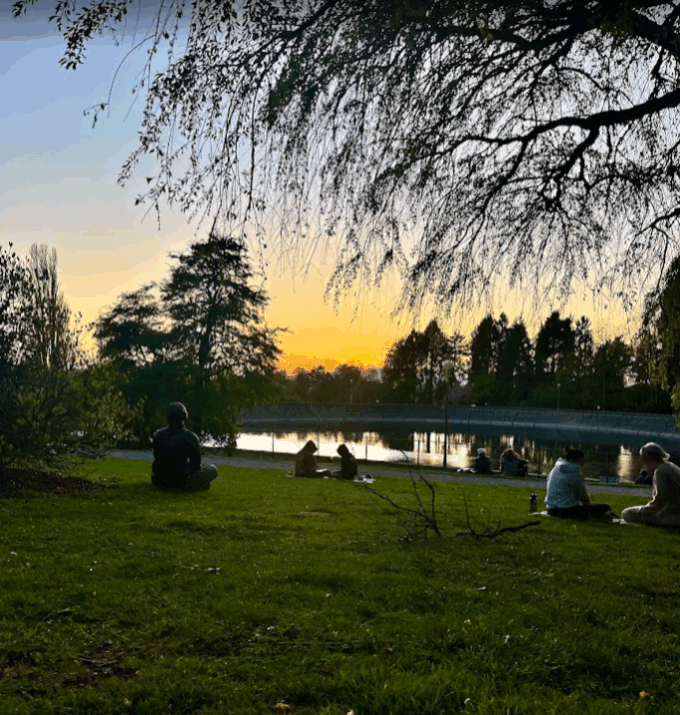
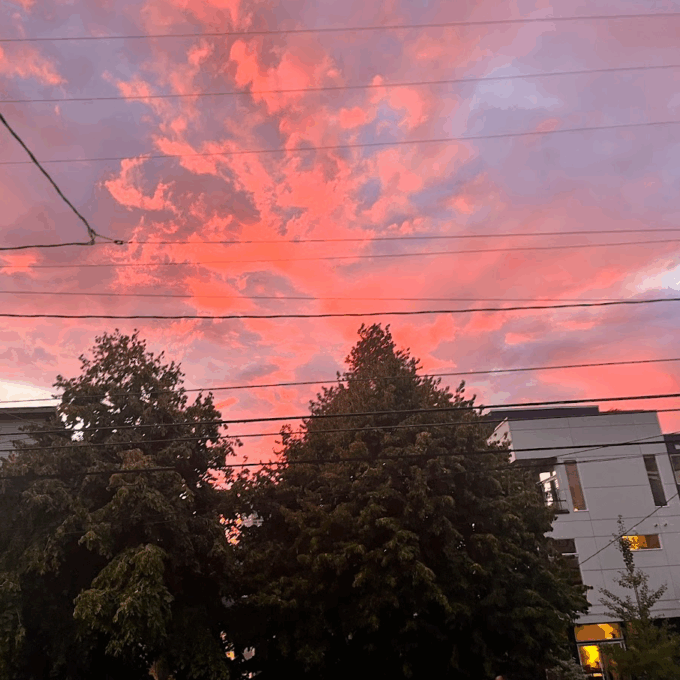
Sunset at Volunteer Park, a lovely moment for silence
Connection is a great feeling as a human, and the people at TR can have a hard time finding connection as people label them “crazy,” “weird,” and other things. As a future therapist, I want my clients to be able to feel connected, safe, and respected. My JV year (and specifically this feedback) gave me the tools and experience to make that happen.
How can you learn how to read silence to find connections with the people around you? Perhaps tomorrow take your morning coffee to a window and admire the view in silence.
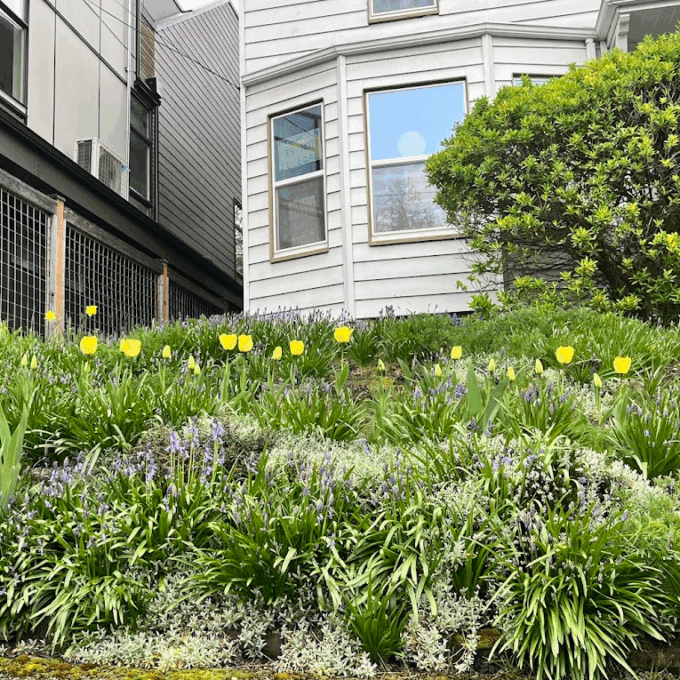
Jo learned to appreciate the silence in beauty around her in Seattle as well. She took both of these photos in the front yard of Mercy House.
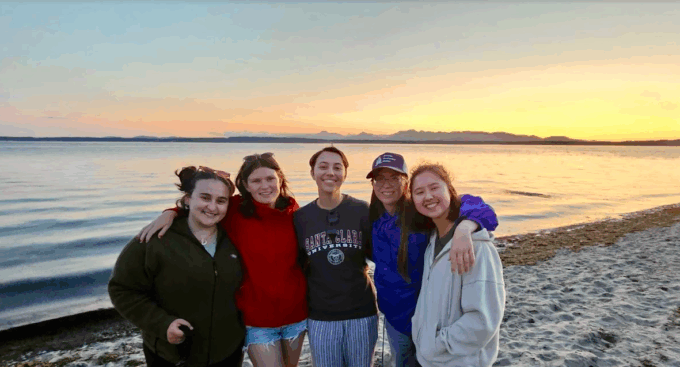
Jo is picture at the top on the far left with her community mates from Mercy House at Golden Gardens.
Thursday, April 7 | 7:00pm ET / 4:00pm PT Learn about all that makes a year of service with JVC Northwest unique. We’ll talk about the opportunities available, what intentional community looks like, and dive into our values of social and ecological justice, simple living, and spirituality/reflection. There will also be plenty of time for Q+A. Register here.
"How to Make Your Application Stand Out"
Wednesday, April 20 | 7:00pm ET / 4:00pm PT Learn how you can position yourself to be a strong candidate for service with JVC Northwest. With one week left before the April 26 priority deadline, this will also be the perfect time to get a handle on each step of the application, interview, matching, and placement process. Register here.
Where Are the JVC Northwest Recruiters Going Next?
Check out our upcoming recruitment events below. Don’t see your school or town on the list? Reach out to us at recruiter@jvcnorthwest.org to let us know you’d like us to pay your town a visit!
10/13/2022 Notre Dame | Info Session: Discerning Post Graduate Service | 6:30 PM | COffee House in Geddes Hall
10/17/2022 Marquette | Info session (1-2) office hours (2-4) | Career Services Center – Seminar Room