by Iggy Chardos (he/him) Boise, ID ’25-26
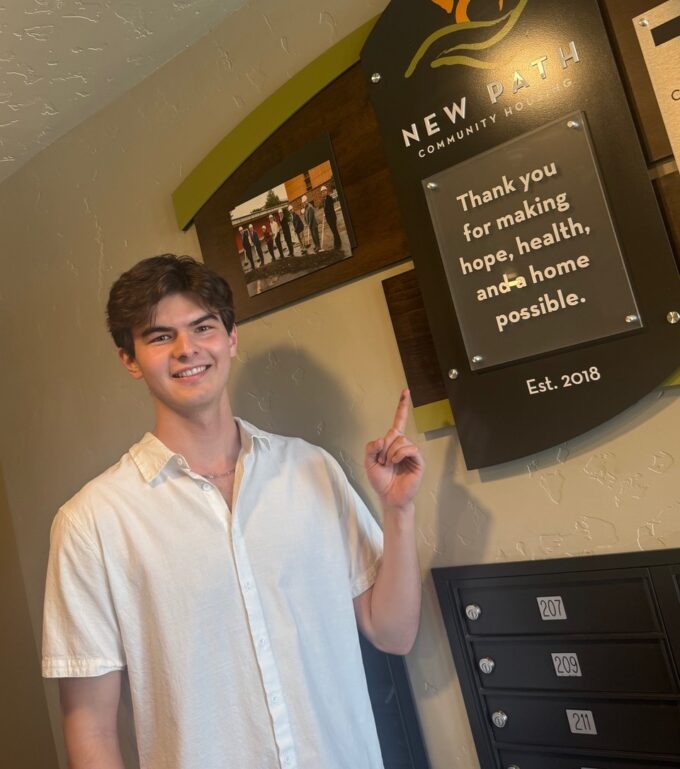
Our office operates out of a supportive housing program, offering optional services to residents — all of whom have previously experienced homelessness. As the first “housing-first” program in Idaho, our team takes pride in providing stable housing without mandating participation in treatment or work programs. We say that our goal is to end homelessness in Idaho!
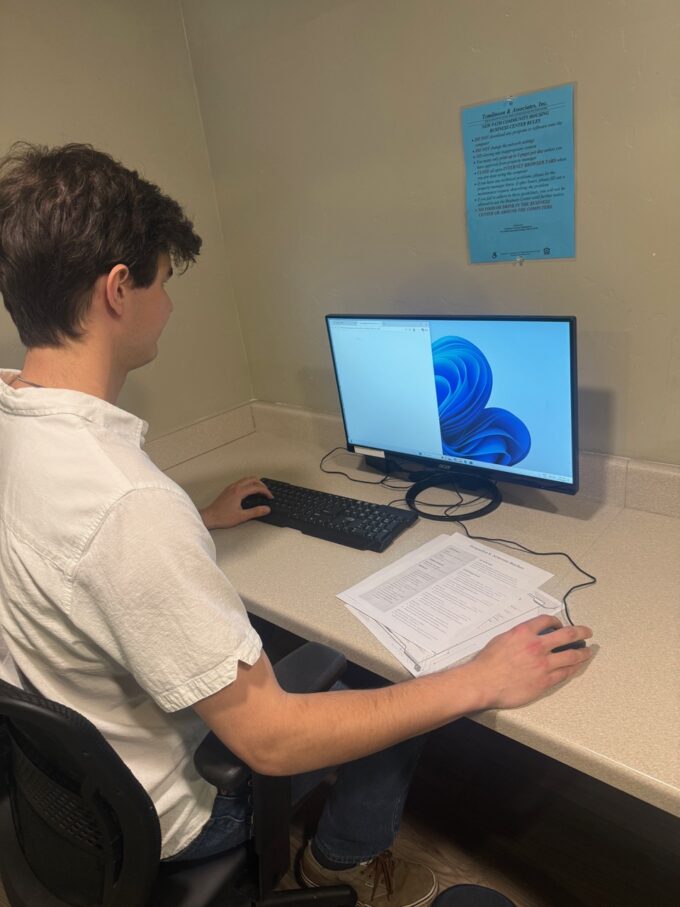
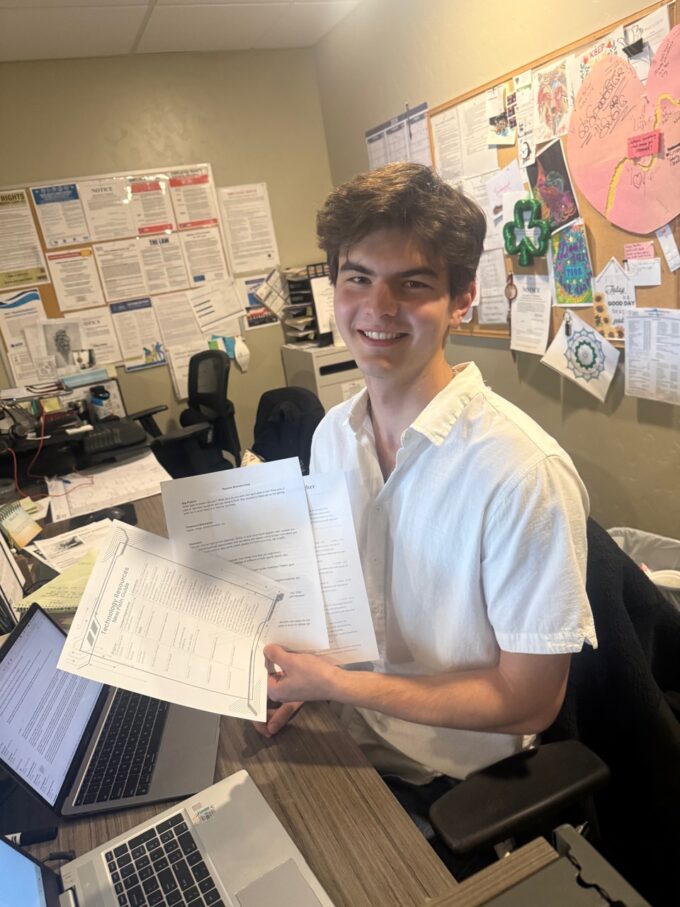
This year, I’m developing a capacity-building project that will increase the resources we offer to our clients who are interested in employment, vocational advancement, or community service opportunities. This includes developing and organizing materials such as resource guides, information on obtaining computers, resume-building worksheets, and applications for various forms of assistance. We are also in the early stages of fleshing out a new project that could offer on-site employment. Unsurprisingly, the main hurdle here is finding any sort of funding to support this project.
In my own experience, I’ve found that I feel happier when I’m active in my community and participating in activities that I find meaningful. I believe that people are better off — healthier, more fulfilled — when they feel both a sense of belonging to and responsibility for those around them. This belief is at the core of my capacity building project. The stigmatization and isolation that accompany homelessness can sometimes leave people feeling disconnected and powerless. So, more than just providing encouragement for anyone seeking employment, I want to give our residents the opportunity to lose any prior sense of isolation and feel like they are a contributing member of their community.
Balancing these goals with the current political climate has been difficult. With new changes to Medicaid, both at the state and federal level, I’ve had to recognize that building up resources to support residents in community engagement is necessary to keep them eligible for Medicaid and other public benefits. This is difficult because I don’t want to convince someone to rejoin the workforce for the sole sake of remaining insured. Instead, I want to balance that need with the understanding that engagement with the people around you is what remains truly valuable. And that can come from work, service, or even personal projects that keep someone active. My greatest joy at New Path has not been the service itself — it’s been the opportunity to be part of a community where our residents support and empower each other. People are capable of incredible things if they feel safe, supported, and connected!